

CIP (Clean-in-Place) technology was first introduced by the dairy industry in the 1950s to address the inefficiencies and hygiene risks associated with traditional manual cleaning. Driven by evolving industrial demands, the technology has expanded beyond the food and beverage sector into industries such as pharmaceuticals, bioengineering, and chemicals.
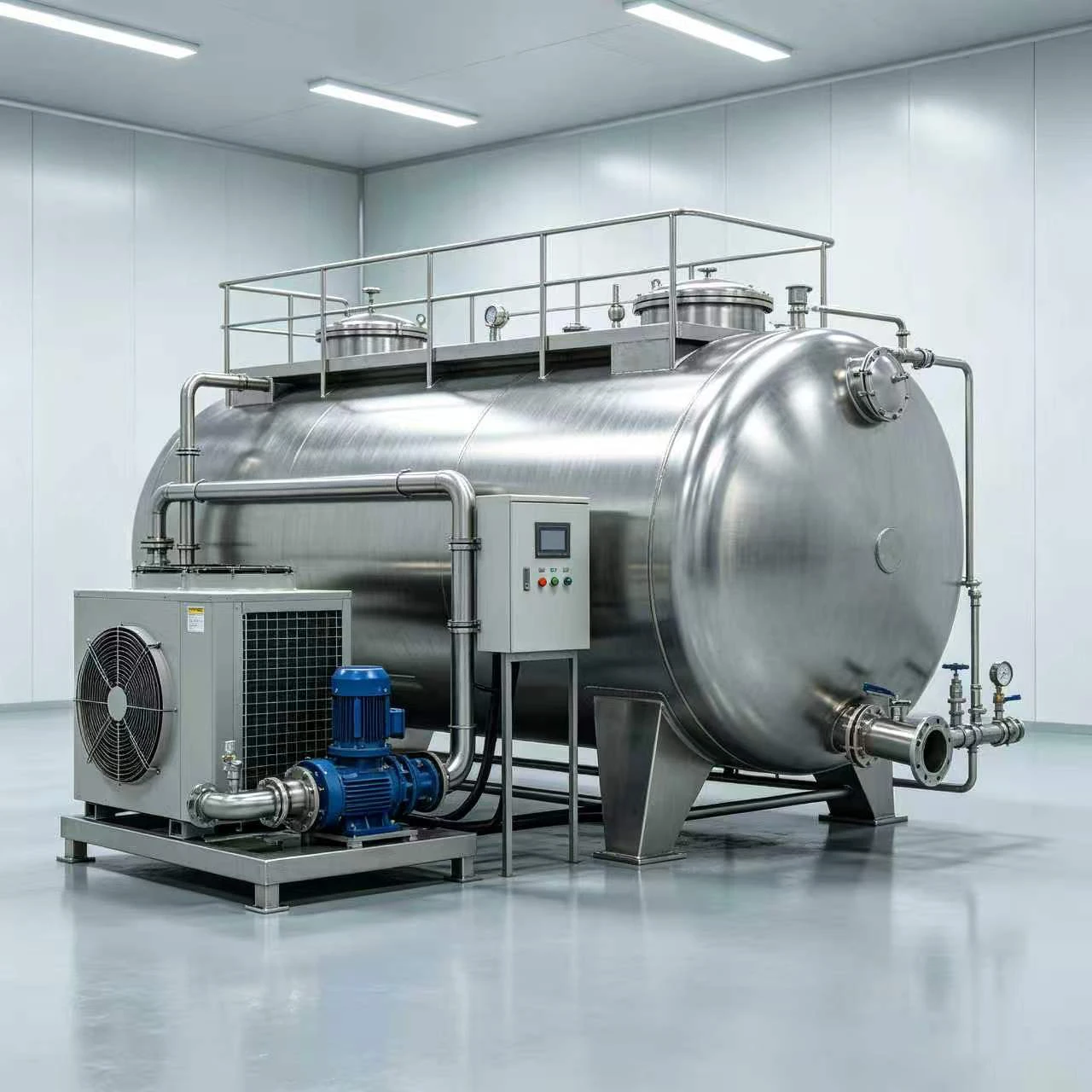
Emerging needs-such as stricter cleaning standards in the new energy battery and cosmetics sectors-are giving rise to specialized market segments. Future trends include intelligent upgrades, such as the use of IoT sensors to monitor parameters like turbidity and TOC (Total Organic Carbon) in real-time for dynamic program adjustments; green technologies, such as electrolyzed water replacing chemical agents to lower wastewater treatment costs; and modular designs, including compact CIP units for small enterprises that reduce investment costs by 30%. Technological evolution is also moving toward digital twin applications-with 30% of leading enterprises expected to deploy virtual commissioning systems by 2026-and the adoption of low-carbon cleaning agents (such as bio-based options), the costs of which are projected to drop by 40%, thereby driving large-scale application.